How does a hybrid car work?

Owning a hybrid car can be a rewarding experience that comes with a lot of benefits. In this article, we discuss the differences between your standard petrol engine and the different types of hybrids to help you make an informed decision before you purchase. 


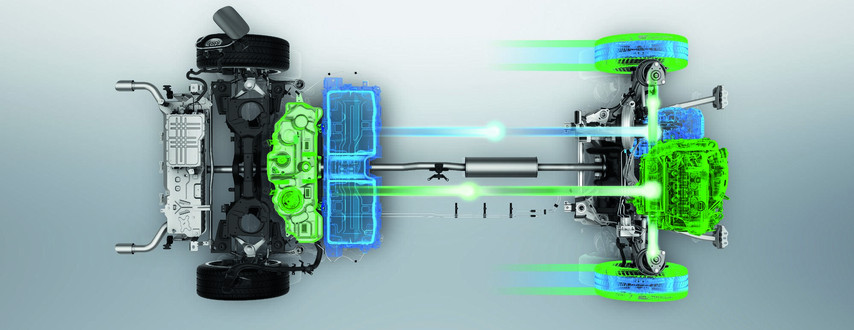
PEUGEOT 508 PHEC Chassis

What is a hybrid engine? 

Unlike in a standard car, where power is supplied solely by an internal combustion engine (ICE), a hybrid vehicle uses a combination of electric battery power and a combustion engine.

How is a hybrid engine different from a petrol or diesel engine?

A hybrid engine is different from a standard petrol or diesel engine, as it does not solely rely on one source of power; instead, it uses two. This means a hybrid car can function more efficiently by utilising both the electric motor and petrol motor as and when needed. As with any vehicle regular maintenance and appropriate use can help maximise the lifespan of key vehicle components, including the hybrid battery or vehicle engine.


What is the difference between a hybrid and a plug-in hybrid?

Although most hybrids use similar technology, there are some differences between Hybrid Electric Vehicles (HEVs) and Plug-in Hybrid Electric Vehicles (PHEVs).

How does a hybrid electric vehicle (HEV) work?

In a standard HEV, the petrol engine is the primary source of power for the vehicle, while the electric motor acts as a secondary power source by using kinetic energy.

The electric motor is integrated into the transmission to serve as a source of propulsion. This allows the HEV to accelerate from standstill before switching over to gas when the accelerator pedal is pressed down to a certain angle. It can also activate if the car goes over a certain speed. 

How does a plug-in hybrid electric vehicle (PHEV) work? 

A plug-in-hybrid vehicle runs differently from a standard hybrid vehicle. A plug-in hybrid electric vehicle works with an electric motor (powered by batteries) and an internal combustion engine, but a PHEV's battery can be charged via an electric power outlet.

Unlike a conventional hybrid vehicle, a PHEV will run on electric power until the battery depletes. Once this occurs, the vehicle switches to the ICE, giving it incredible range.


How do hybrid batteries work? 

The battery of a hybrid car works by recovering energy that would otherwise be wasted in a petrol engine. When a car slows down and puts on the brakes, kinetic energy is created. In a standard car, this energy is released as heat. In a hybrid vehicle, this energy is reused in a process called regenerative braking and is fed back into the battery.

How long do hybrid batteries last?

Most hybrid car batteries tend to last about 8–10 years (or roughly 100,000–150,000 miles) before you may need a replacement [1]. However, how long the battery truly lasts often depends heavily on how the car is used:

  • Frequent long trips and steady driving tend to be kinder to the battery.
  • While many short trips or very stop‑start driving can accelerate degradation.

Similarly, climate and maintenance habits (e.g. regular servicing, avoiding extreme temperatures, ensuring battery health checks) play an important role.

These considerations also apply to other vehicle types; car usage, climate and maintenance habits also impact in the lifespan for internal combustion engine (ICE) vehicles.

Explore our brands

Whether you’re looking for something fun or sleek and sophisticated, we have something for you. Our iconic brands can help meet your needs as life changes.

How do you charge a hybrid vehicle

Hybrid cars are charged either automatically while driving or by connecting to a charger. However, this differs depending on the type of hybrid vehicle you own.

Charging a hybrid electric vehicle (HEV)

A standard hybrid vehicle cannot be charged at a power outlet like a purely electric vehicle or a PHEV, instead it charges itself using the energy created by the engine and braking system.

However, you still need to fill the fuel tank with petrol or diesel. Meaning HEVs require very little change to your driving habits while still helping to reduce fuel consumption.

Charging a plug-in hybrid electric vehicle (PHEV)

A plug-in hybrid can be charged in two ways. Like a HEV, the plug-in hybrid's battery can be charged by energy created through braking. Most PHEVs can be fully charged overnight using a standard home charge point, while public charging points offer quicker top-ups when you’re on the go.

For more information, read our guide on how to charge an electric car.

Can a hybrid run on fuel only? 

A HEV can run on fuel alone, as the combustion engine will power the car normally if the battery is low. However, keeping the fuel tank topped up is essential. Even if the battery has some charge, running out of fuel can prevent the engine from operating and recharging the battery, which could cause serious damage to the vehicle.

Similarly, a PHEV can run on fuel only when the battery is depleted. PHEVs are designed to switch to the combustion engine when the electric range runs out. However, the battery never fully depletes. The battery maintains a reserve charge that allows it to function like a standard hybrid. The dual capability is what gives PHEVs their versatility. 

Both HEVs and PHEVs require fuel to function properly and are not designed for long-term battery-only operation.


Hybrid car apps and smart features

Modern hybrid vehicles can come with dedicated smartphone apps that give drivers more control, insight, and convenience. While specific features vary by brand and model, many hybrids offer:

  • Battery monitoring: Allows you to check your hybrid’s battery level remotely and check an estimated range in real time.
  • Charging progress: Helps you check how long your hybrid has to charge and get a notification when it’s complete.
  • Climate control: Some models allow you to pre-heat or pre-cool your car while it’s still plugged in, conserving battery for driving.
  • Digital key: Some apps allow you to use your phone as a key and even share with someone else.
  • Trip planner: Some apps have GPS functionality, allowing you to track the most fuel efficient trip and highlight nearby charging points.


Interested in buying a hybrid vehicle? 

We're here to help. If you're thinking about saving money and lowering your carbon footprint, see what electric and hybrid vehicles our brands offer and upgrade your car with Stellantis Financial Services.


References