











Finding it hard to understand the differences between car finance products? We’re here to help. This overview explains the key differences between Conditional Sale and PCP. The goal is to help you feel well-informed and confident when choosing between these two car finance products, helping you find the right fit for your lifestyle and driving habits.
What are the key differences between CS & PCP?
At first glance, there are a few shared characteristics between Conditional Sale and PCP agreements, which could make it confusing to differentiate between the two. For example, both require an initial deposit, monthly payments, and ongoing maintenance of your car.
Conditional Sale 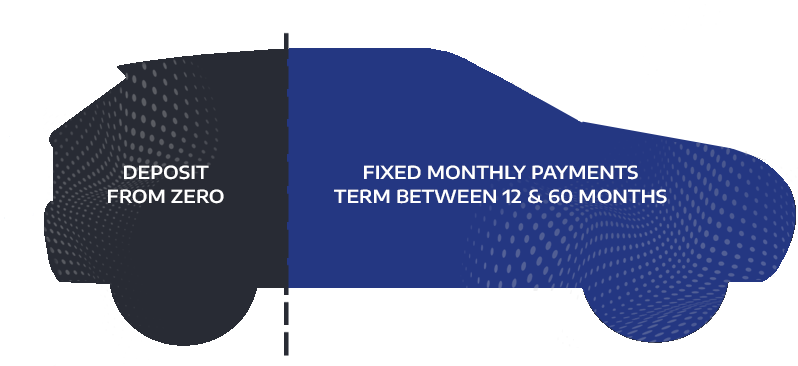 | Personal Contract Purchase 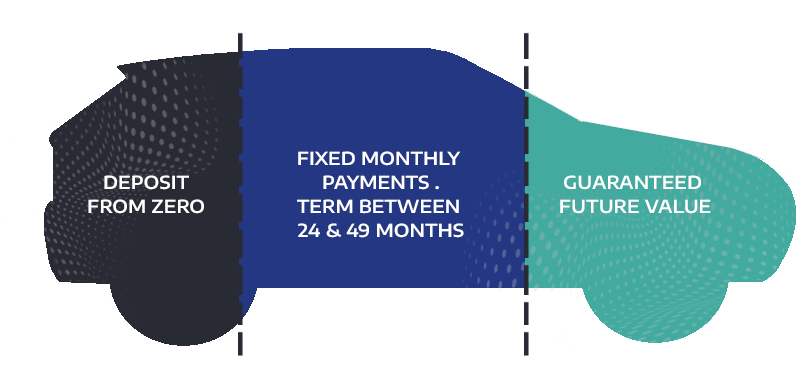 |
The image above highlights key differences, including the monthly payment terms for each and the ability to own the vehicle by paying the optional final payment (also known as the Guaranteed Future Value (GFV) or balloon payment) at the end of a PCP agreement.
The table below highlights additional differences you may find helpful when deciding between CS and PCP:
| Conditional Sale | Personal Contract Purchase | |
| Monthly repayments | Monthly repayments are made over an agreed term between 12 & 60 months.
During this term, you will have a set monthly payment, tailored to you.
Usually has higher monthly payments as the full vehicle value is repaid over the term.
| Monthly repayments are made over an agreed term between 24 & 49 months.
During this term, you will have a set monthly payment, tailored to you.
Usually offers a lower monthly payment as the GFV/balloon payment is deferred until the end of the agreement. |
| End of term options | At the end of a CS agreement, ownership of the car will automatically transfer to you upon making your final payment. | PCP offers multiple options at the end of your agreement:
|
| Mileage restrictions | No requirement to estimate your annual mileage to determine your payments. | With PCP, you will agree to an annual mileage allowance to help determine your monthly payments. Exceeding your annual mileage allowance could lead to additional charges. |
| Wear and tear charges | You don’t have to consider wear and tear charges at the end of your agreement. | You may need to pay wear and tear charges if you return a car with damage that exceeds the acceptable level of wear and tear. You can find out which checks your End of Contract inspection may include in our helpful article, What happens when your car agreement ends?
|
With both PCP and Conditional Sale agreements, the advantages apply to both new and used cars. Conditional Sale enables you to keep your vehicle once all payments have been made, and PCP gives you flexible options at the end of your agreement, depending on your circumstances.
If you want to know more about how Personal Contract Purchase and Conditional Sale car finance works, you can find out about the step-by-step processes by visiting their pages.
What happens at the end of a Conditional Sale agreement?
One of the main factors that separates these two types of finance comes at the end of the agreement. At the end of a Conditional Sale agreement, provided you have made all of your monthly payments, you will own the car. If you want to sell your Conditional Sale car before the end of your agreement this may be possible, but you’ll need permission from the lender first.
What happens at the end of a PCP agreement?
With PCP you have 3 options to choose from when you reach the end of your agreement:
- Keep your car by either making a lump sum payment or you may have the option to refinance if you’ would prefer to spread the cost.
- Part exchange your car and start a new agreement, subject to eligibility and credit checks.
- Return your car to us, you may be charged excess mileage and damage charges at this stage if applicable.
No matter which of the three options you choose at the end of your PCP agreement, our easy step-by-step process ensures you get the outcome you want.
If you decide to make the balloon payment and keep your car:
- Make the optional final balloon payment.
- If you can’t pay your balloon payment in full, you may be able to refinance the remaining cost.
- After completing all your payments you will own the car outright.
If you decide to part exchange your car:
- Your Retailer will value your car based on its condition and current market rate, they’ll then discuss your options with you.
- You can then start another PCP agreement.
- Or you can opt for another type of car finance.
If you decide to return your vehicle to us:
- Notify us of your decision. You can do this easily using your online account, or see our contact details here.
- Check that our car is in good condition.
- If your car has damage that exceeds the acceptable level of wear and tear you should get this repaired before your car is due to be returned. Failure to do so could result in excess damage charges.
- Should you expect to exceed your annual mileage allowance, please let us know using your online account. Exceeding your agreed mileage could result in excess mileage charges.
- If it’s worth less than the GFV, you may also need to make up the difference.
Want to learn more about what happens at the end of your agreement? Take a look at our helpful end of agreement summary.